
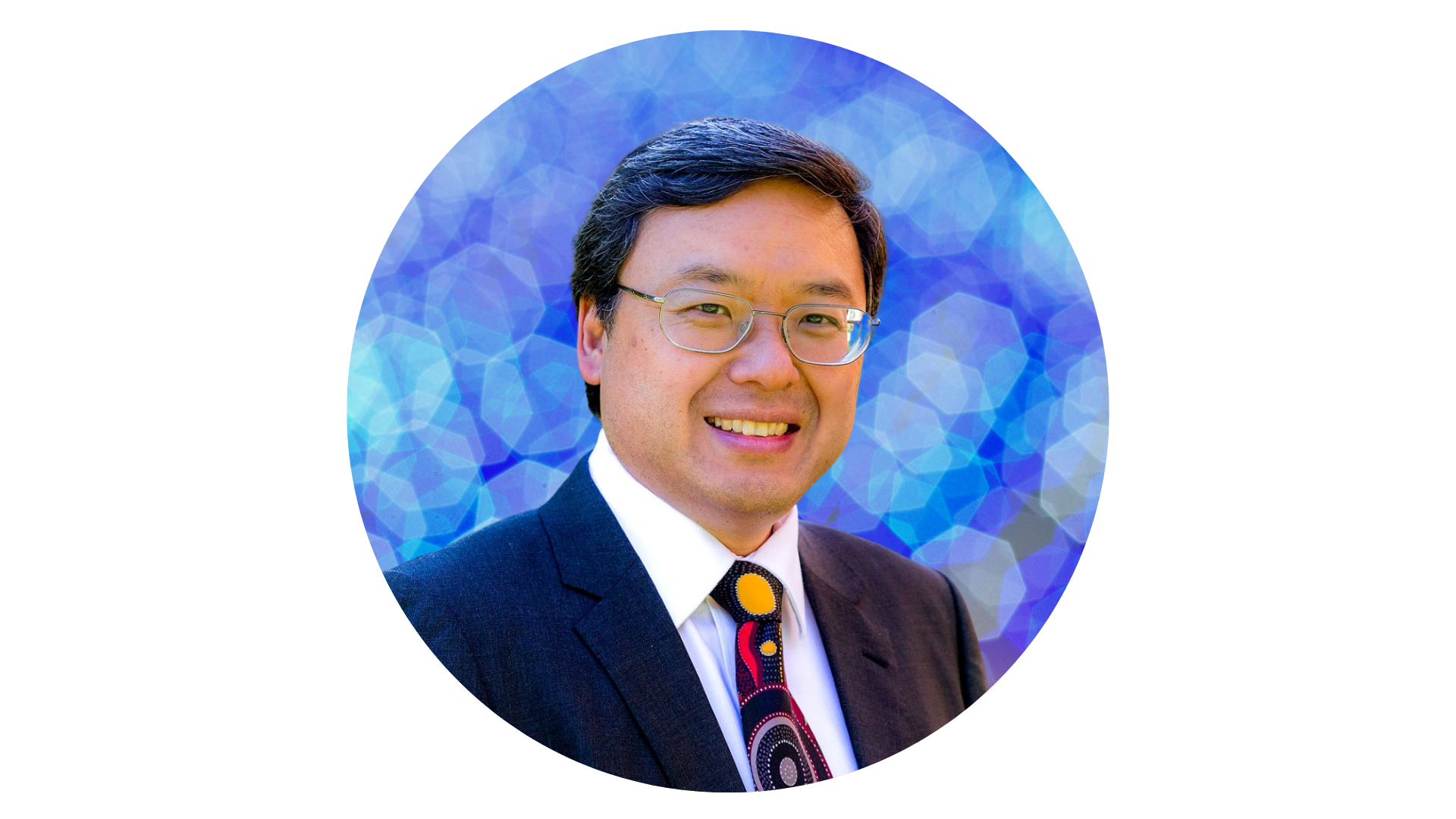
James Kin Wah Lee, Ph.D., P.Eng., FEC
Officer of the Order of Honour, 2026 | Academic Requirements Committee
Now a University of Saskatchewan geological engineering professor, James Kin Wah Lee has a 19-year history of distinguished volunteer service at PEO, serving on Council as a Lieutenant-Governor Appointee and on the Academic Requirements, Discipline and Legislation committees.
James was on Council from 2005–2011, including election to the Executive Committee. While on Council he served on the Licensing Process Task Force, charged with reviewing the licensing process, helping to modernize and improve its effectiveness.
His committee contributions helped shape the regulator’s licensing and academic standards. While on the Academic Requirements Committee (ARC) (including service as Chair and Vice-chair), James oversaw rigorous reviews of academic qualifications across numerous engineering disciplines, ensuring consistency and fairness in the licensing process.
He also chaired multiple ARC subcommittees, developing new academic licensure standards in structural, building, and transportation engineering, and revising evaluation guidelines and the ARC terms of reference. James also served on the Discipline and Legislation committees, further strengthening the profession’s regulatory framework. As a Kingston Chapter volunteer for 16 years, he served as a contact for Queen's University engineering students interested in PEO's EIT program, and also judged the popsicle-stick bridge-building competition for elementary students.
Beyond his PEO service, James remains a long-standing member of the Canadian Engineering Accreditation Board (CEAB), conducting accreditation visits to numerous universities across Canada and helping to improve and strengthen national and international accreditation standards and processes. He continues to serve as a National Examiner, setting national academic examinations for a variety of engineering subjects and also served on the Canadian Engineering Qualifications Board’s Geological Engineering Syllabus Subcommittee and contributed to the Internationally Educated Engineers Qualification Project (IEEQP) Steering Committee, helping to design pathways that integrate academic study and practical training for internationally educated engineers.